
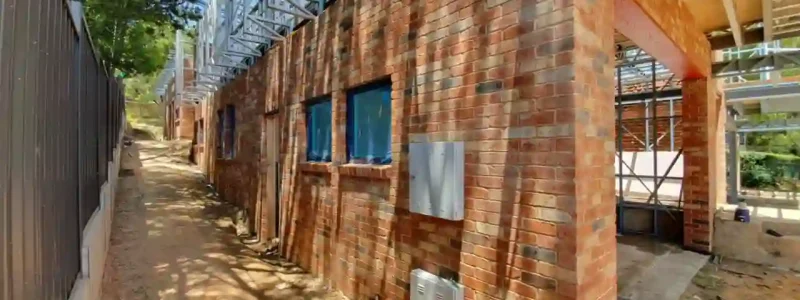
There’s something reassuring about a well-built brick wall. It doesn’t warp in humidity, won’t blow away in a storm, and still looks solid a century later. Sydney — from the colonial terraces of Paddington to the brick-clad apartments of Parramatta — has never really stopped trusting brick. And for good reason.
Whether you’re planning a new build, a home extension, or you’ve noticed crumbling mortar along your fence line, this guide covers what quality bricklaying actually involves and how to make sure it’s done right.
Why brick still dominates Sydney construction
Brick performs exceptionally well in Sydney’s climate — resisting moisture, handling thermal mass beautifully, and standing up to the salt air that rolls in from the coast. It’s low-maintenance in a way few materials match: no repainting every decade, no warping, no rot. Strong fire resistance makes it particularly valuable in Sydney’s bushfire-adjacent suburbs.
Architecturally, brick adapts to almost any vision. A running bond reads as classic and clean. A Flemish bond adds old-world texture. Stack bond is contemporary and graphic. One material — endless outcomes.
Types of bricklaying services in Sydney
Bricklaying spans everything from a small garden path to a multi-storey commercial facade. Knowing which category your project falls into helps you hire the right contractor — and set realistic expectations on timeline and cost.
Residential bricklaying: what homeowners need to know
Extensions and matching existing brick
Extending a brick home sounds straightforward — until you try to match a brick that’s been discontinued for 30 years. A skilled Sydney bricklayer will know which suppliers stock reclaimed or reproduction bricks, and they’ll have an eye for the colour and texture variation that becomes painfully obvious once the scaffold comes down.
Retaining walls
Sydney’s hilly topography makes retaining walls one of the most common residential bricklaying jobs. Any wall retaining more than 600mm of soil generally needs engineering sign-off and proper drainage behind the wall to manage hydrostatic pressure. A professional bricklayer will tell you upfront when a permit is required — not after the wall is built.
Garden walls and outdoor features
Outdoor brick features — raised garden beds, BBQ areas, pizza ovens — look simple but reveal the difference between an average tradesperson and a skilled one. Consistent joint thickness, clean mortar finishing, and precise levelling are skills that take years to develop. Choosing an affordable bricklaying service should never mean accepting wavy, poorly jointed work.
Commercial bricklaying: bigger scope, same craft
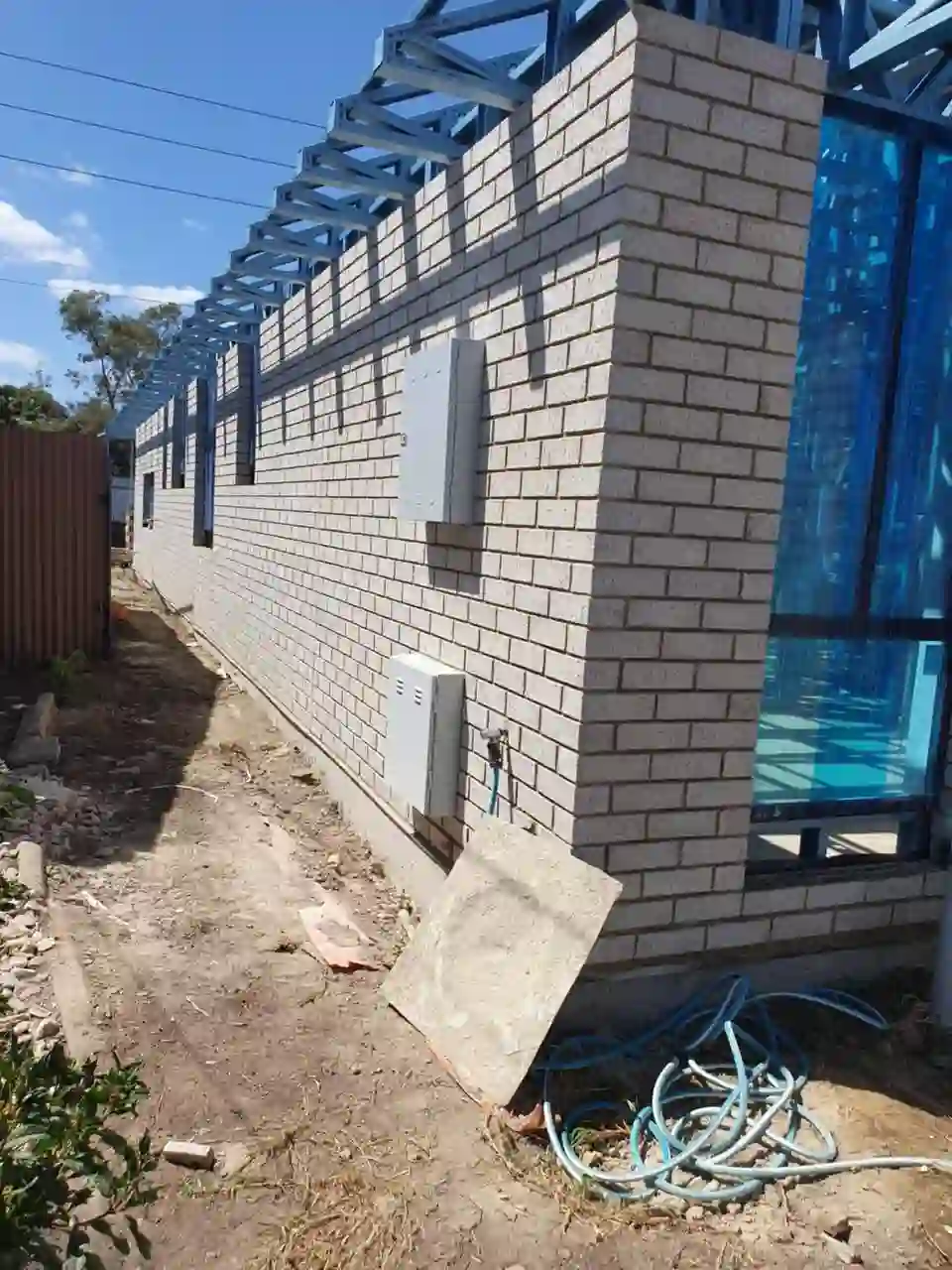
Commercial bricklaying in Sydney ranges from retail fitouts to large mixed-use developments. The craft is the same — but the stakes are higher. Commercial projects run to tight timelines, involve multiple trades simultaneously, and require bricklayers to work directly from detailed architectural drawings.
- Office buildings with brick facade cladding
- Industrial and warehouse perimeter walls
- Multi-residential apartment buildings (brick veneer)
- Retail and hospitality venues with raw textured brick finishes
- Schools and government buildings specified for long-term durability
For commercial work, confirm your contractor holds a current NSW Fair Trading licence, carries $20 million public liability insurance, and understands WHS obligations on a managed site. Verify the licence number on the Service NSW portal before signing anything.
Brick repair and restoration
Repointing mortar
Mortar is intentionally softer than brick — it’s the sacrificial layer that absorbs movement and moisture. Over time it deteriorates, leaving joints open to water ingress. Repointing involves raking out the old mortar to around 15–20mm deep and replacing it with a fresh mix matched to the original.
In Sydney’s heritage suburbs, using hard cement mortar in an old brick wall is a serious mistake. It traps moisture in the brick face rather than releasing it through the joint — causing the brick surface to spall within a few seasons. A bricklayer with heritage experience knows this. One without it doesn’t, and the damage is irreversible.
Replacing damaged bricks
Individual brick replacement requires both technique and access to matching materials. Sydney has specialist salvage suppliers stocking reclaimed sandstock bricks from demolitions across the basin. An experienced bricklayer will know exactly where to look — and will tell you honestly if a perfect match isn’t achievable.
How to hire the right bricklayer in Sydney
- Verify their NSW Fair Trading contractor licence
- Ask to see completed jobs in person — not just photos
- Get at least three written quotes before committing
- Confirm current public liability insurance
- Insist on a written contract that details scope, materials, timeline, and payment schedule